Unlimited Cities can be understood as an attempt to apply the culture and engineering principles of free software to urban development.
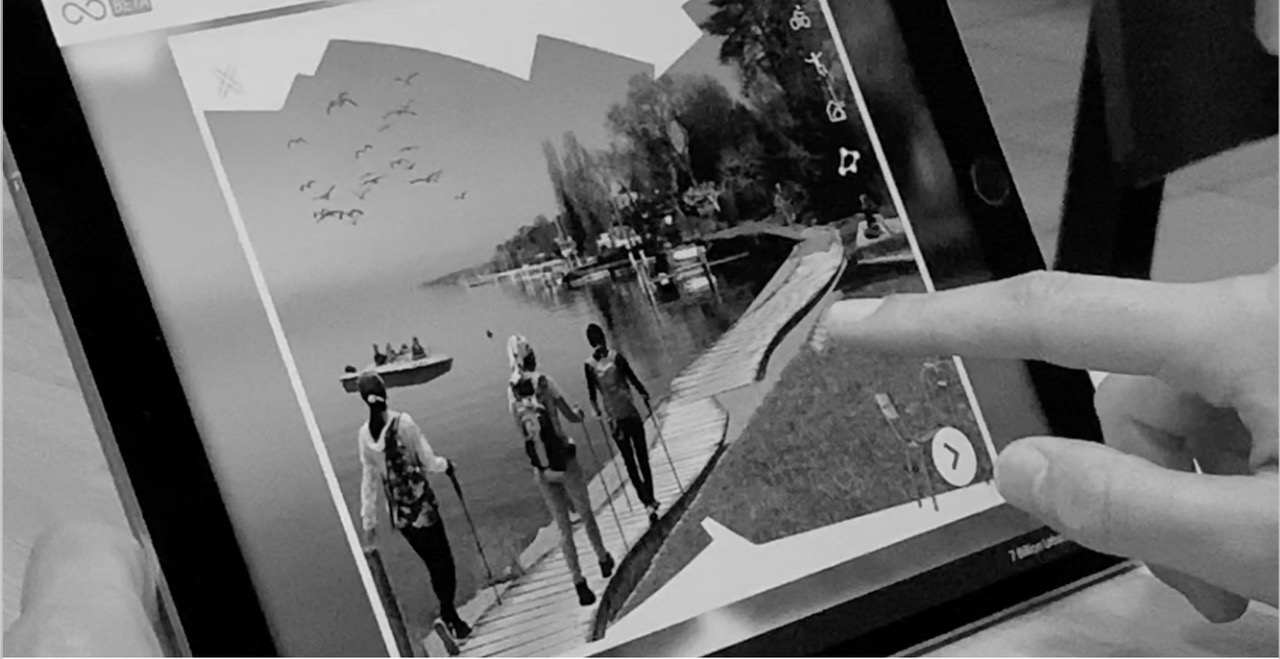
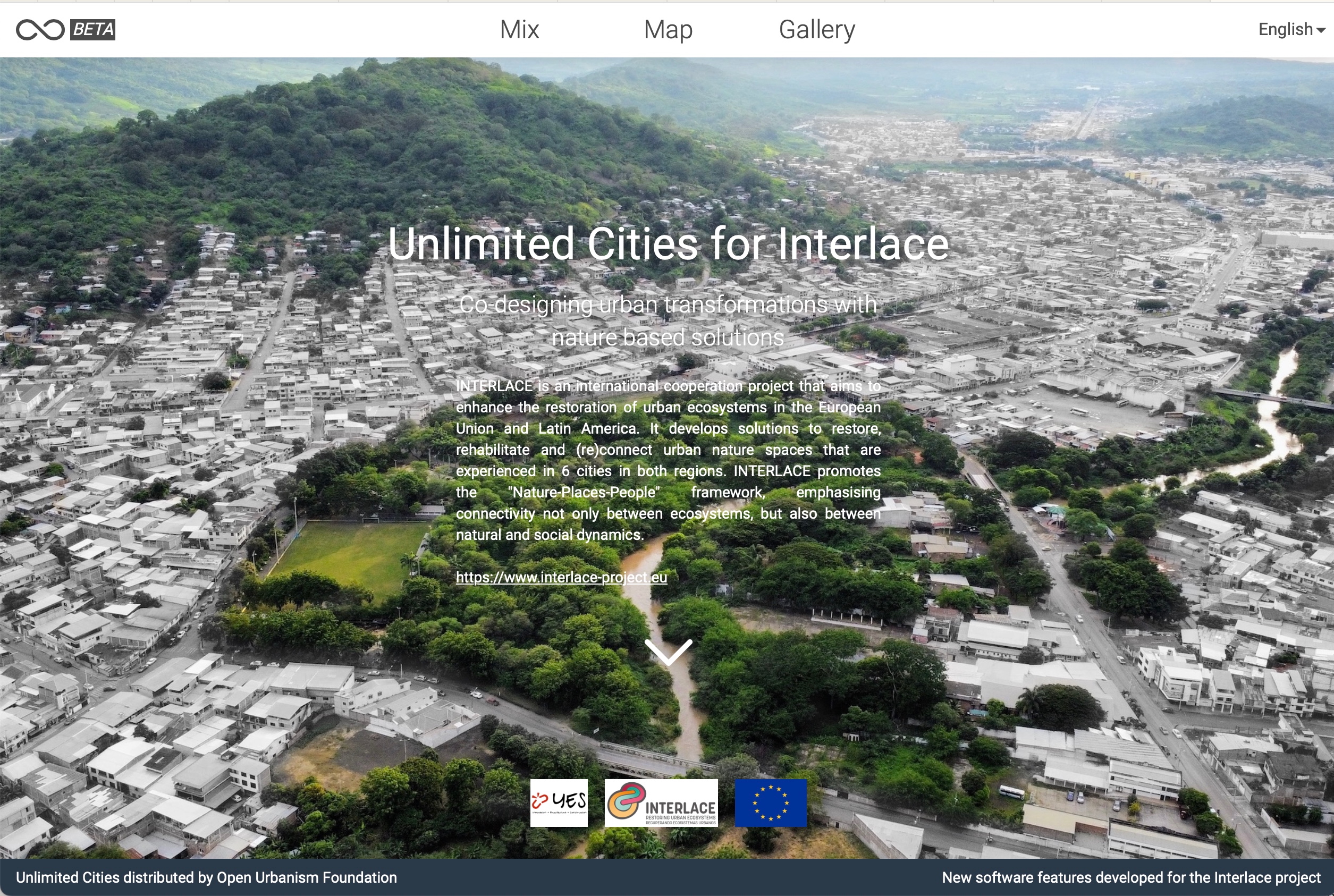
You can test the Winterthur prototype.
https://unlimitedcities.dev.j42l.ch
In free software communities, software is not only a product. It is a shared project that anyone can study, modify, improve and redistribute, under conditions defined by licenses that guarantee certain degrees of freedom. Participation is voluntary and differentiated: some people use the software, some report bugs, some translate interfaces, some maintain documentation, some contribute code.
Not everyone does everything; but everyone can contribute at an appropriate level, and these contributions are structurally welcomed.

Unlimited Cities explores an analogous stance for the city.
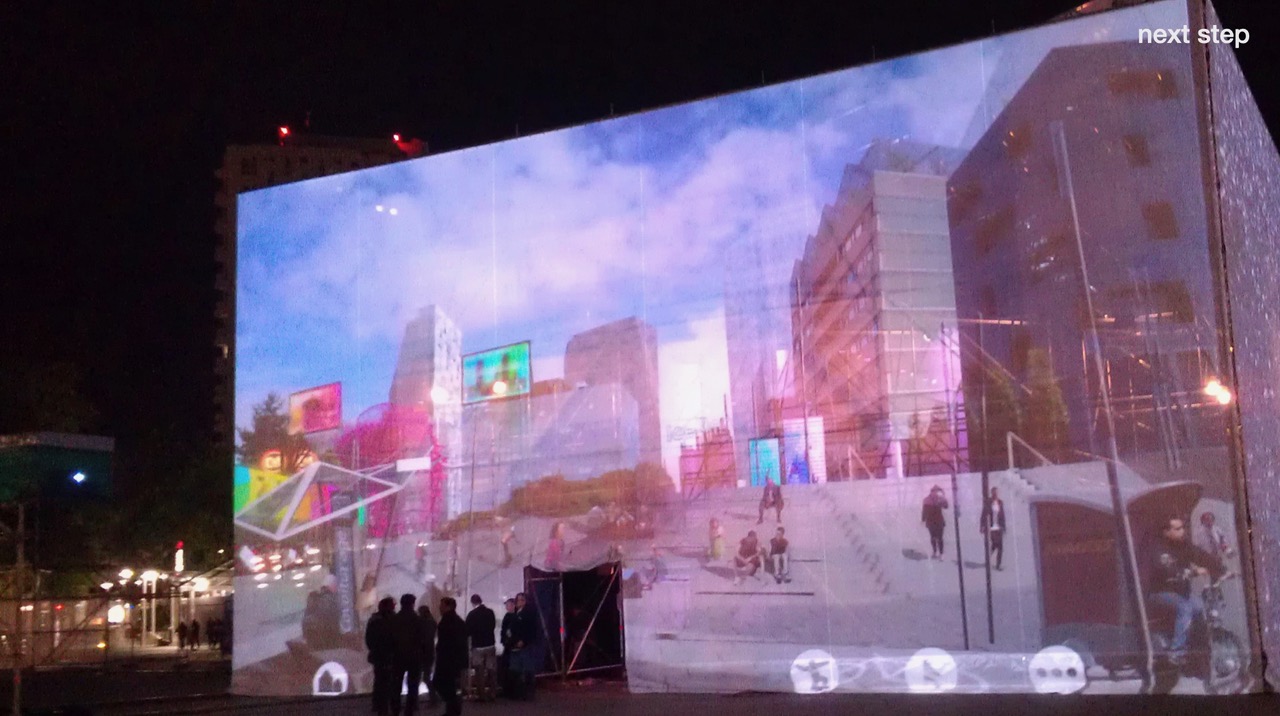
Rather than treating urban form and programs as the exclusive domain of professionals who design “in the cathedral” and reveal completed projects to the public only at the end of the process, the platform considers the city as a common project to which different actors can contribute at different levels and with different degrees of freedom. Citizens, municipal staff, enterprises, researchers, and designers are invited to participate in the elaboration of possible futures using a shared digital environment.

The reference to the contrast between “cathedral” and “bazaar” in free software engineering is not metaphorical only.
In the cathedral model, design is centralized, version releases are rare, and most of the process remains closed.
In the bazaar model, development is iterative, releases are frequent, contributions are widely distributed, and coordination emerges from open interaction.

Unlimited Cities borrows from this second model: it is not a finished “product” delivered to a passive public, but an ongoing process of iteration and enrichment, where contributions remain visible, comparable, and open to critique.
At the same time, the work on Unlimited Cities does not assume that all asymmetries of knowledge or power vanish. As in free software projects, roles differ.
Architects, urbanists, and municipal officials conserve specific responsibilities, particularly for decision. The aim is not to erase expertise, but to reconfigure how expertise relates to a broader community of contributors. The digital layer functions as a connective infrastructure that makes this community visible and capable of acting together.
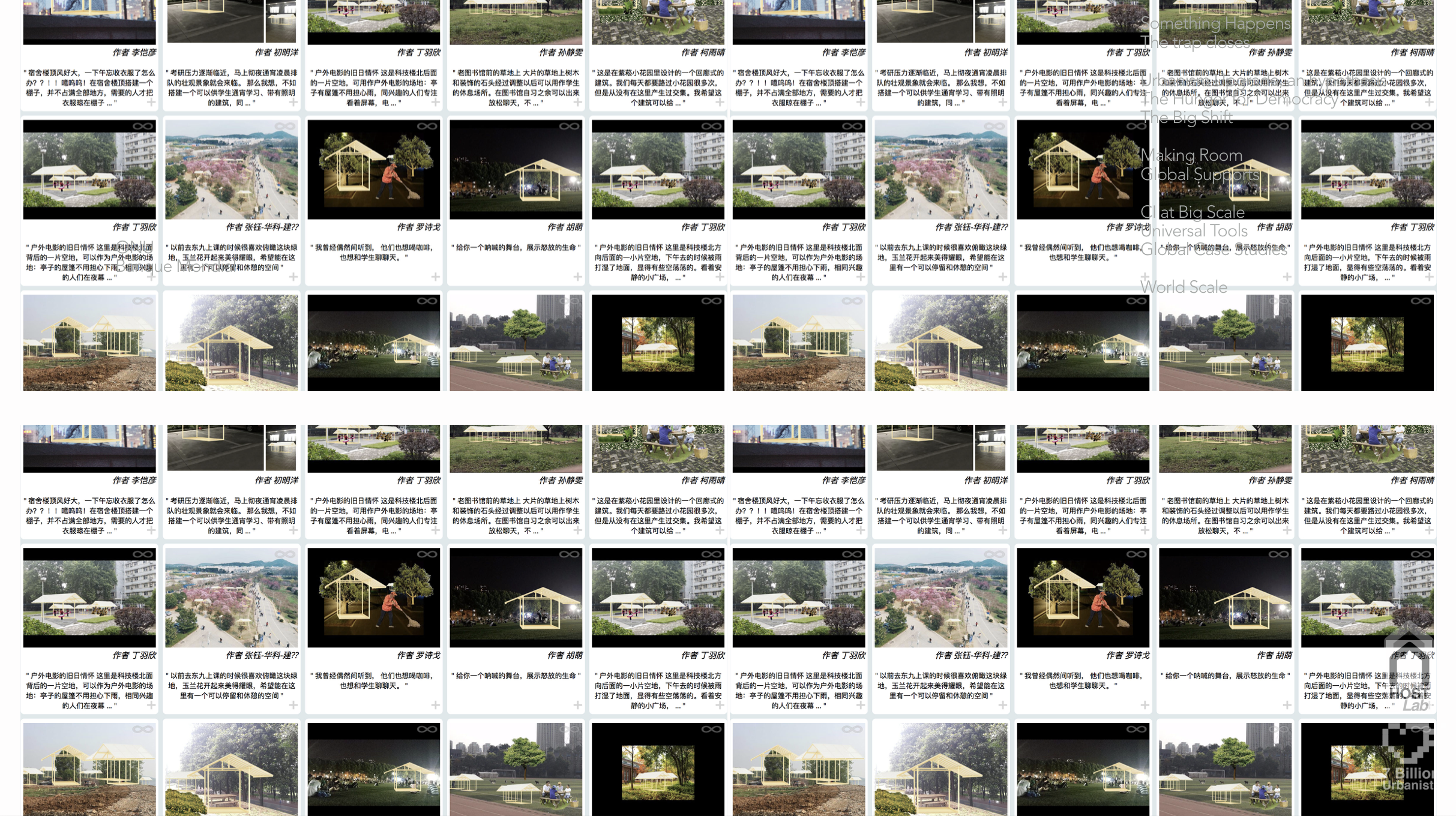
Seen from this angle, the Unlimited Cities process can be read as an experiment in collaborative urban engineering inspired by free software philosophy: building tools and situations that do not only “consult” inhabitants, but create the desire and the conditions to contribute to a shared urban project,
with multiple levels of involvement and clearly articulated freedoms.